
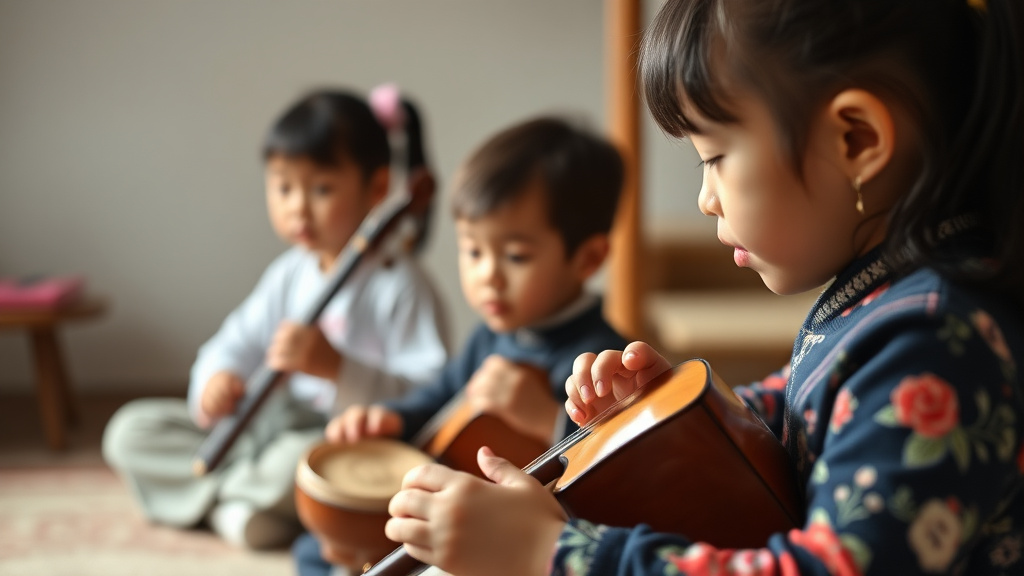
Have you ever thought about why some of the most talented minds began studying piano or violin as children? Emerging research show a strong link between classical music training and better brain development in young learners. This article discusses how formal music training improves recall, enhances numerical thinking, and improves linguistic development in children. Uncover the science behind why classical music training offers far more than entertainment—it’s a powerful tool for developing mental capabilities during important formative years.
The Neuroscience Behind Musical Learning
Classical music education engages multiple regions of the growing brain simultaneously, forming neural pathways that extend far beyond musical ability. When children learn to read sheet music, manage finger coordination, and engage in critical listening, they engage the prefrontal cortex, motor cortex, and auditory processing centers simultaneously. This extensive brain engagement reinforces synaptic connections and supports neural plasticity, the brain’s remarkable ability to reorganize and establish new connections throughout life. Research based on neuroimaging demonstrates that young musicians show greater gray matter volume in areas associated with language processing and mathematical reasoning.
The consistent training required in classical music education strengthens the corpus callosum, the bundle of nerve fibers connecting the brain’s left and right hemispheres. This improved interaction across hemispheres promotes improved synthesis of rational and creative processes, essential to problem-solving and innovation. Additionally, practicing instrumental music triggers the generation of dopamine, a neurotransmitter necessary for motivation, memory formation, and emotional regulation. These brain chemical shifts establish an optimal environment for skill acquisition, making children better equipped for acquiring new skills in all areas of academics and life.
Educational Achievement and Linguistic Skills
Classical music education shows remarkable impacts on academic success across multiple subjects. Students who engage in formal music training regularly demonstrate better outcomes in mathematics and reading skills. The focus demanded to master an instrument leads to enhanced focus during academic instruction. Furthermore, studies show that young musicians cultivate stronger problem-solving abilities, which closely relates to higher exam performance and overall scholastic success throughout their educational journey.
Language development benefits significantly from classical music instruction, particularly in phonological awareness and vocabulary acquisition. The complex auditory processing involved in learning music strengthens neural pathways essential for language comprehension and production. Children receiving musical training exhibit enhanced verbal skills, better reading speed, and enhanced ability to understand linguistic nuances. These linguistic advantages go further than native language learning, as young musicians often show greater ability for acquiring foreign languages with improved fluency and skill.
Extended Advantages and Practical Applications
Enduring Cognitive Gains in Adult Years
The positive effects of classical music training go far past childhood, creating lasting intellectual gains that remain through adulthood. Research shows that those who completed musical education during their early development exhibit superior performance in educational and career contexts throughout their lives. These long-term improvements appear as enhanced problem-solving abilities, superior memory retention, and greater cognitive adaptability. The neural pathways strengthened during childhood music training continue to support complex mental operations, allowing adults to address difficult problems with greater ease and creativity than their musically untrained peers.
Integration into Educational Systems
Educational institutions globally increasingly recognize the value of incorporating classical music training into standard curricula. Schools that place importance on music education in conjunction with traditional academics document notable gains in overall academic outcomes, including higher standardized test scores and improved student conduct. Implementing formal music curricula requires careful consideration, qualified instructors, and proper materials, yet the investment yields substantial returns. Students participating in classical music training show enhanced focus, discipline, and collaborative skills that extend into other academic subjects, fostering a more comprehensive learning environment that prepares them for future success.
Effective Application for Parents and Teaching Professionals
Guardians and teachers seeking to maximize cognitive development should examine accessible pathways to classical music training for young children. Commencing training from ages four to seven produces the best outcomes, with regular practice routines generating noticeable gains within months. Skilled instruction from qualified educators proves crucial, as does choosing instruments suited to individual interests and physical capabilities. Building encouraging home settings that promote consistent practice, attending concerts, and recognizing musical accomplishments fosters sustained engagement. Even limited spending in classical music education provide transformative cognitive benefits that improve children’s mental abilities and overall quality of life.
