
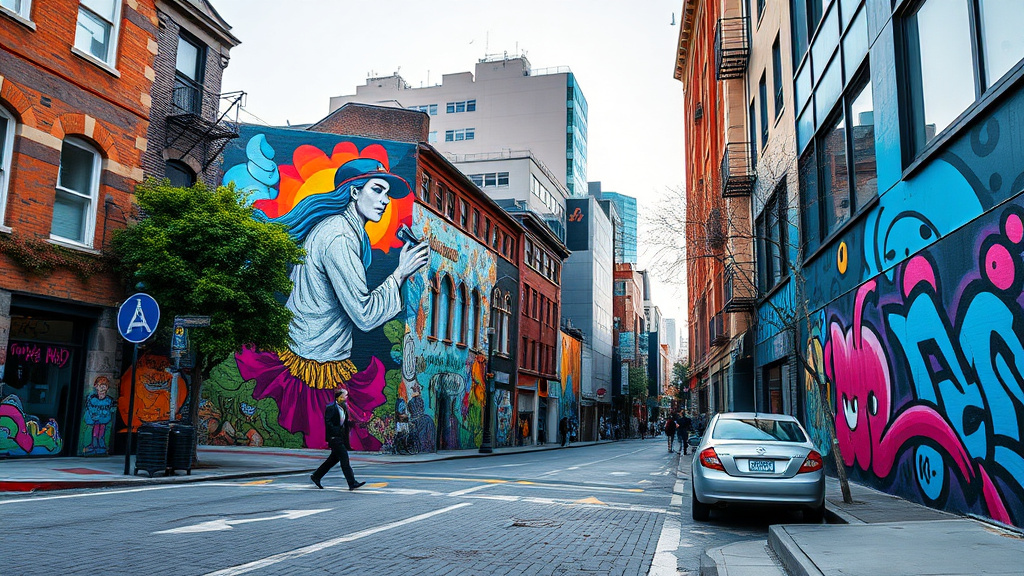
What was once dismissed as vandalism has transformed into a valid creative expression that engages millions worldwide. Contemporary street art has reshaped urban landscapes, transforming drab concrete walls and forgotten alleyways into dynamic public galleries. From detailed murals to compelling artistic pieces, artists are reclaiming public spaces and generating public dialogue. This article investigates how street art transforms communities, elevates local culture, and questions conventional ideas of where art belongs, proving that creativity prospers outside gallery settings.
The Growth of Street Art as Valid Artistic Medium
Street art has undergone a remarkable transformation in recent decades, transitioning from a marginalized street-based movement into a worldwide celebrated artistic discipline. Prominent exhibition spaces now showcase street creators with conventional fine artists, affirming their role in modern artistic expression. This transition shows shifting cultural views toward creative expression in public spaces and self-expression. Artists like Banksy, Shepard Fairey, and JR have brought street art to international prominence, proving that skill surpasses institutional boundaries and that true creative work resonates with people across the world.
The recognition of street art originates in part from its clear artistic mastery and intellectual complexity. Contemporary muralists use sophisticated techniques, color theory, and artistic vision on par with traditional studio artists. Many street artists hold formal art training and intentionally select urban environments as their canvas for philosophical and political reasons. This deliberate creative strategy sets apart modern street art from simple tagging or vandalism. Collectors, curators, and critics now recognize street art’s cultural significance, acquiring artworks and documenting artists’ contributions to urban development and community identity.
Institutional acknowledgment has boosted street art’s standing through shows, commissioned work, and conservation initiatives. Cities globally now employ professional muralists for public projects, regarding street art as crucial metropolitan infrastructure. Art institutions record street artists’ work before demolition, securing historical preservation. This formal recognition ironically undermines street art’s rebellious roots while simultaneously democratizing art appreciation. By incorporating street art into popular culture, communities recognize that genuine creative work belongs everywhere, not confined to exclusive museum settings open exclusively to elite audiences.
Community Impact and City Renewal
Contemporary street art has become a significant driver for community revitalization and community engagement. Beyond its visual beauty, vibrant murals and installations promote social cohesion by generating shared community experiences. These artworks spark conversations, celebrate local culture, and provide platforms for marginalized voices. Communities witnessing street art flourishing report increased civic pride and stronger neighborhood bonds. When residents see their streets transformed into galleries, they develop deeper connections to their surroundings and invest more actively in neighborhood improvement projects.
Financial Advantages for Community Enterprises
Street art substantially increases regional economic growth by attracting tourists and foot traffic to underutilized neighborhoods. Colorful murals revitalize shopping areas into social media-friendly hotspots, encouraging visitors to visit surrounding shops, cafes, and restaurants. Property values in areas featuring street art typically rise as neighborhoods gain appeal. Business owners cite increased customer interaction and spending when adjacent to striking artistic displays. This economic renewal opens career pathways and fosters business creation within communities.
The existence of high-quality murals demonstrates neighborhood investment and care, signaling safety and vitality to prospective buyers and stakeholders. Businesses leverage creative environments through themed marketing campaigns and digital marketing efforts. Art walks and cultural events focused on murals generate additional revenue streams. Local entrepreneurs increasingly collaborate with street artists to develop custom artworks, combining commerce with creativity. This symbiotic relationship boosts the community’s economic growth while providing financial support to artists.
- Rising foot traffic and customer visits to local shops
- Higher property values and neighborhood desirability ratings
- Tourism revenue from art lovers and cultural tourists
- Job creation for creative practitioners and artistic workers
- Enhanced public recognition through art-based initiatives
Deliberate capital allocation in street art infrastructure generates measurable economic returns for neighborhoods. Cities implementing public art programs report considerable gains in business revenue and property tax income. The cascading impact extends beyond immediate commercial gains, bringing corporate partnerships and cultural institutions. Neighborhoods transformed by street art become destinations for creative professionals, further stimulating economic growth. This evidence demonstrates that supporting street art represents prudent economic decision alongside cultural enrichment.
Prominent Street Artists and Their International Reach
Banksy, the mysterious British street artist, has earned recognition for subversive political commentary and satirical imagery. His stencil-based works challenge authority and spark public debate, appearing on streets from locations spanning London and Palestine. Banksy’s reach goes beyond visual impact; his pieces fetch enormous sums at auction legitimizing street art as a legitimate investment. Through clever humor and profound messages, he has motivated numerous creators worldwide to employ public locations as platforms for activism and artistic expression.
JR, a Parisian photographer and street artist, reshaped city art through expansive photo-based installations. His acclaimed “Women Are Heroes” project brought attention to marginalized communities globally, converting impoverished neighborhoods and war-torn areas into galleries celebrating human dignity. JR’s community-engaged methodology involves residents in making art, building community pride and social awareness. His art demonstrates how urban art transcends aesthetic boundaries to serve as a effective medium for humanitarian storytelling and global social change.
Shepard Fairey’s distinctive visual work, especially the Obama “Hope” poster, showcases street art’s capacity to impact popular culture and political movements. His unique aesthetic merges pop art aesthetics with activist messaging, reaching audiences well outside traditional art circles. Fairey’s work has transformed from grassroots graffiti to broad acknowledgment, demonstrating that street artists can gain market acceptance while preserving artistic integrity and social awareness.
