
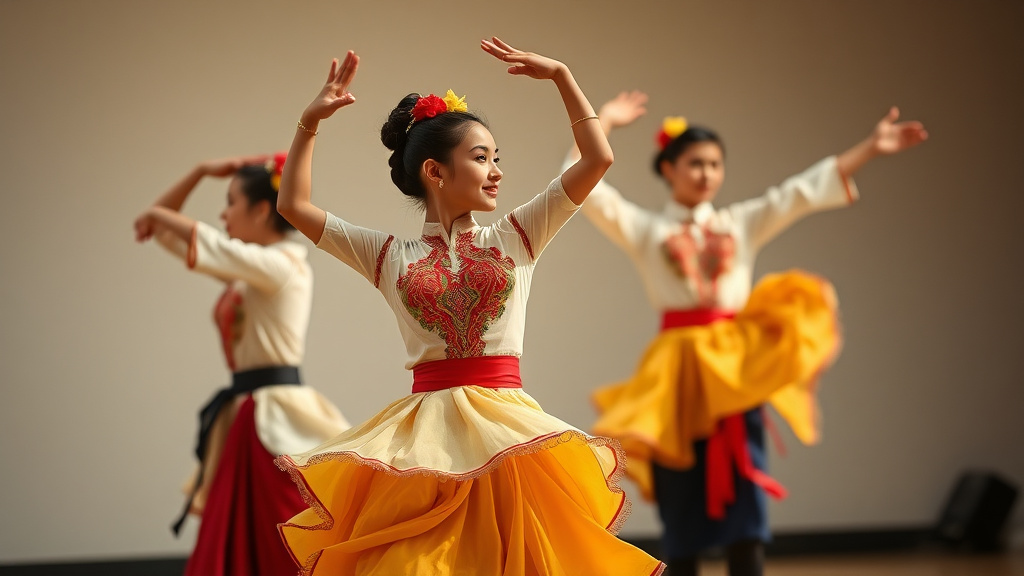
Classical ballet, formerly restricted to ornate theaters and elite audiences, is undergoing a fundamental shift. Contemporary top-tier ballet companies are daringly reinterpreting classical techniques, blending traditional choreography with current musical compositions, multimedia elements, and diverse casting. From New York to Tokyo, these institutions are breaking barriers and engaging younger, increasingly diverse audiences without diminishing artistic integrity. Discover how the world’s foremost ballet companies are safeguarding their heritage while moving this enduring artistic discipline into the 21st century.
Merging Legacy with Modern Expression
Classical ballet organizations globally are discovering that tradition and innovation aren’t necessarily mutually exclusive. By strategically combining contemporary movement vocabulary into classical frameworks, choreographers are developing performances that celebrate the discipline’s rich heritage while addressing modern sensibilities. This nuanced interplay allows audiences to recognize the refined quality of classical movement while engaging with fresh artistic perspectives that align with contemporary cultural conversations and aesthetic preferences.
The evolution of ballet reflects broader cultural shifts toward inclusivity and experimentation. Companies are reimagining classical plotlines, modernizing musical arrangements, and incorporating diverse dance vocabularies from present-day choreography, hip-hop, and international styles. These deliberate combinations generate dynamic performances that uphold technical precision while providing unexpected artistic impact. Younger dancers and audiences become deeply engaged by works that seem both enduring yet immediately significant to their everyday realities and creative perspectives.
This forward-thinking approach has demonstrated both commercially and artistically successful, demonstrating that classical ballet can thrive in the twenty-first century without abandoning its fundamental traditions. Theaters document increased ticket sales, wider demographic engagement, and renewed critical acclaim when companies implement deliberate creative exploration. The fusion of heritage and contemporary movement represents not a departure from ballet’s essence but rather an transformation that secures this remarkable cultural tradition remains vital, accessible, and meaningful for generations to come.
Fusion Movement Methods
Innovative choreographers are designing fusion techniques that seamlessly merge classical ballet vocabulary with current movement practices. These approaches maintain the accuracy, refinement, and physical rigor of traditional ballet while integrating fluid, grounded movements typical of modern dance. By training dancers in both disciplines, companies develop performers equipped to deliver complex fusion choreography that challenges conventional boundaries. This broadened physical language enables deeper narrative development and greater emotional complexity within traditional structures.
Successful fusion choreography requires deep understanding of both traditions and deliberate creative choices about when and how to blend techniques. Choreographers carefully study classical vocabulary’s cultural background while exploring how modern movement can enhance emotional authenticity. The process includes collaborative exploration, where dancers provide feedback on quality of movement and fluid transitions. This methodology has created innovative pieces that draw varied audiences while earning respect from classical ballet purists who appreciate the technical sophistication and creative authenticity evident in thoughtfully executed fusion pieces.
- Adding ground-based movement and floor techniques into classical ballet vocabulary
- Combining pointe work with contemporary improvisation and pedestrian movement
- Fusing hip-hop rhythms with classical music and traditional choreography
- Pairing story-driven narratives with abstract contemporary dance concepts
- Incorporating digital projections paired with traditional ballet technique showcases
Online Platforms and Global Reach
The rise of online platforms has significantly changed how classical ballet connects with audiences worldwide. Video streaming services and social media channels now enable ballet companies to break through regional barriers, bringing performances directly into homes across continents. This broadening of availability has played a key role in cultivating new audiences who might never have witnessed ballet performances in established theatrical spaces, thereby extending the art’s societal impact exponentially.
Leading ballet organizations have strategically embraced digital innovation to maintain relevance in an increasingly connected world. By allocating resources to premium video content creation and digital delivery, companies ensure their creative work stays available to diverse demographics and different age ranges. This technological shift has also opened new possibilities for international collaboration, enabling dancers and choreographers to share creative ideas effortlessly across different regions and time differences.
The economic implications of digital development extend beyond ticket sales, creating revenue streams through subscription services and digital content licensing. Ballet companies now utilize data analytics to comprehend viewer preferences, customize content recommendations, and optimize engagement strategies. This data-informed method empowers organizations to make informed decisions about future productions while maintaining the artistic excellence that distinguishes classical ballet.
Digital and Virtual Shows
Professional streaming platforms dedicated to dance have emerged as major innovations in classical ballet accessibility. Platforms delivering instant access to entire ballets, documentaries, and exclusive behind-the-scenes material attract dedicated supporters and those exploring the art form. These services deliver flexible viewing options, allowing audiences to watch premier ballet productions at their convenience while supporting artists through reliable income systems.
Virtual performances and streaming broadcasts have demonstrated significant worth during periods of restricted theater access. High-definition cinematography and innovative camera work enhance the viewing experience, sometimes offering perspectives that cannot be obtained from traditional theater seats. This advanced technical approach shows how digital presentations can complement rather than diminish the traditional ballet art form, drawing viewers worldwide numbering in the millions.
Audience Interaction and Accessibility
Modern ballet companies acknowledge that broad access is paramount to cultivating new audiences. By providing online viewing services, reasonably priced tickets, and community outreach programs, these institutions democratize classical ballet. Virtual performances during the pandemic revealed new international audiences, enabling viewers worldwide to watch live productions from their homes. Many companies now offer introductory workshops and behind-the-scenes content, demystifying ballet’s technical complexity and encouraging broader participation across different income levels.
Immersive activities have proven essential in engagement approaches. Ballet companies present discussion sessions before performances, interactive social media campaigns, and educational partnerships to cultivate young performers and interest. Diverse casting and current story approaches connect with audiences looking for authentic representation. These developments convert inactive spectatorship into direct engagement, fostering committed fan bases dedicated to ballet’s evolution while maintaining its classical foundations and supporting long-term development.
