
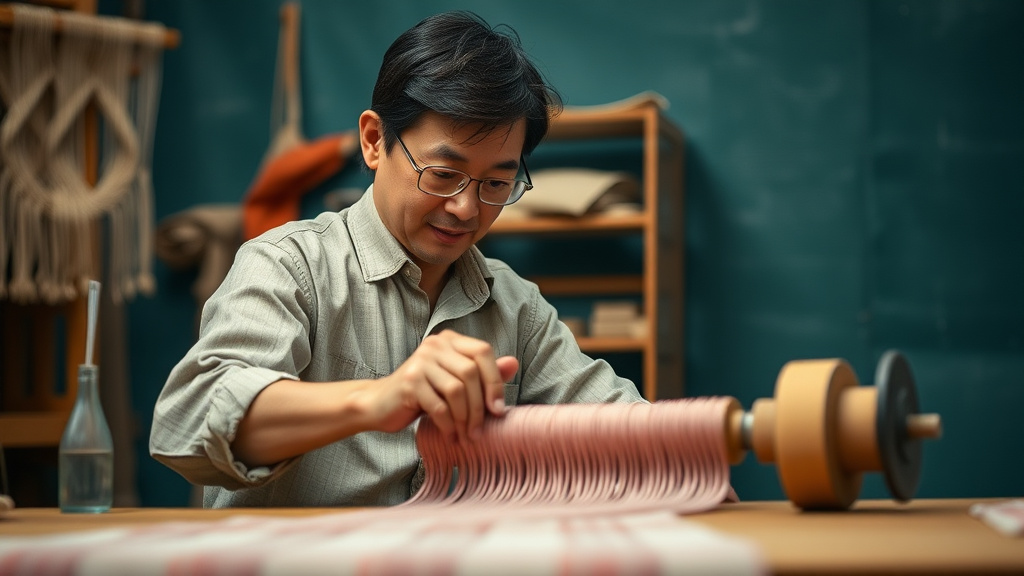
In a world of fast fashion and large-scale manufacturing, heritage craft workers are finding an novel direction—by integrating modern technology without abandoning ancestral practices. From traditional looms upgraded through technological design systems to natural dyes refined via scientific innovation, artisans globally are proving that tradition and innovation can coexist. This article examines how fabric artisans are successfully blending time-honored techniques with contemporary tools, ensuring their ancient crafts continue thriving, environmentally responsible, and significant for generations to come.
The Legacy of Classical Fabric Crafts
Textile artistry constitutes one of humanity’s oldest and most revered artistic traditions, with roots tracing thousands of years across diverse cultures and civilizations. From the intricate silk weaving of ancient China to the vibrant tapestries of Peru and the fine lacework of Europe, traditional textile arts have functioned as repositories of cultural identity, spiritual expression, and technological innovation. These established traditions encompass a vast array of techniques spanning hand-spinning, plant-based dyes, weaving on conventional looms, and embroidery, each perfected over generations of dedicated artisans who transmitted their expertise through apprenticeship and spoken teaching.
The significance of traditional textile craftsmanship extends far beyond artistic aesthetics; these arts reflect the cultural values, narratives, and ecological knowledge of their communities. Artisans who continue these crafts serve as cultural custodians, safeguarding methods embodying responsible resource use and profound environmental wisdom developed across centuries. Today, as worldwide demand in genuine hand-made products continues to grow, traditional textile makers stand at a turning point where their time-honored abilities are increasingly valued for their quality, uniqueness, and cultural authenticity in an ever more standardized commercial landscape.
Linking Historical and Modern Practices in Textile Manufacturing
The incorporation of contemporary technology into conventional textile production represents a revolutionary shift in how artisans approach their craft. Rather than treating digital tools as challenges for authenticity, modern weavers and dyers recognize them as enablers of creative expression. This progression allows craftspeople to broaden their market reach, improve efficiency, and ensure economic viability while preserving the fundamental skills and creative perspective that define their cultural tradition. The result is a vibrant textile industry that celebrates tradition while embracing innovation.
Digital Design Blends with Handcrafted Weaving
Digital design programs has reshaped the preliminary stages of textile manufacturing without diminishing the hand craftsmanship that distinguishes traditional woven textiles. Artisans now use computer-aided design programs to visualize intricate designs, experiment with color palettes, and design intricate loom configurations before working at their weaving looms. This technical aid reduces trial-and-error phases, allowing textile artisans to direct their expertise on the manual loom work. The marriage of digital precision and manual craftsmanship creates high-quality fabrics, merging heritage practices with modern design aesthetics that attract modern consumers.
The incorporation of digital tools has made accessible pattern design for textile craftspeople, particularly in developing regions where educational resources was formerly limited. Weavers can now communicate across distances with designers, distribute designs worldwide, and adapt rapidly to market trends. Digital tools allows them to preserve classic patterns through digital means, maintaining cultural knowledge for future generations. This technological integration reinforces collaborative communities, empowering artisans to stay competitive while preserving their craft traditions financially viable and culturally significant in current markets.
- Digital design tools displays complex weaving patterns accurately
- Digital color matching guarantees uniformity throughout successive production runs
- Design record-keeping maintains traditional designs for upcoming craftspeople
- Distributed teamwork connects textile artisans with global design communities
- Software minimizes fabric waste via detailed production planning
Craftspeople Driving the Innovation Initiative
Forward-thinking makers across the world are spearheading a transformative movement that confronts the misleading divide between tradition and innovation. These artisans understand that adopting modern techniques need not undermine their cultural heritage; instead, innovation acts as a facilitator that amplifies their artistic capabilities. By blending modern equipment, sustainable materials, and current industry methods into their studios, these trailblazers demonstrate that weaving traditions can flourish in the twenty-first century. Their shared approach extends beyond solo practitioners, as they exchange expertise through digital networks, guidance systems, and international networks, establishing a dynamic community where historical insights intersects cutting-edge innovation.
The achievements coming out of this movement inspire numerous emerging artisans to pursue textile craftsmanship as a viable and fulfilling career. Young weavers, dyers, and embroiderers now have access to unprecedented resources—from online training programs with skilled practitioners to funding networks that enable sustainable production. These forward-thinking makers utilize social media to display their work internationally while maintaining responsible employment standards and ecological sustainability. Their dedication to maintaining heritage practices while adopting thoughtful innovation proves that textile artisanship constitutes not a nostalgic relic, but a vibrant, growing discipline able to addressing contemporary challenges while celebrating centuries of accumulated expertise.
Maintaining Customs for Coming Generations
The safeguarding of conventional weaving arts is critically dependent on engaging younger generations and developing feasible financial models for artisans. Training programs that integrate practical instruction and technology skills are becoming increasingly vital, allowing apprentices to learn traditional methods while comprehending current marketplace requirements. Museum networks, arts councils, and legacy foundations work together with textile communities to record ancestral practices, establish certification programs, and build long-term economic frameworks that honor craftsmanship while ensuring fair compensation and career advancement pathways.
As consumer awareness increases regarding ethical production and ecological preservation, traditional textile makers find themselves positioned at the forefront of a worldwide shift toward conscious consumption. By transparently sharing their stories, manufacturing processes, and heritage value through digital platforms and digital networks, artisans connect directly with audiences appreciating authenticity and heritage. This immediate connection not only creates financial backing but also encourages younger craftspeople to adopt their heritage traditions, ensuring that traditional methods continue flourishing alongside contemporary advances for future generations.
