
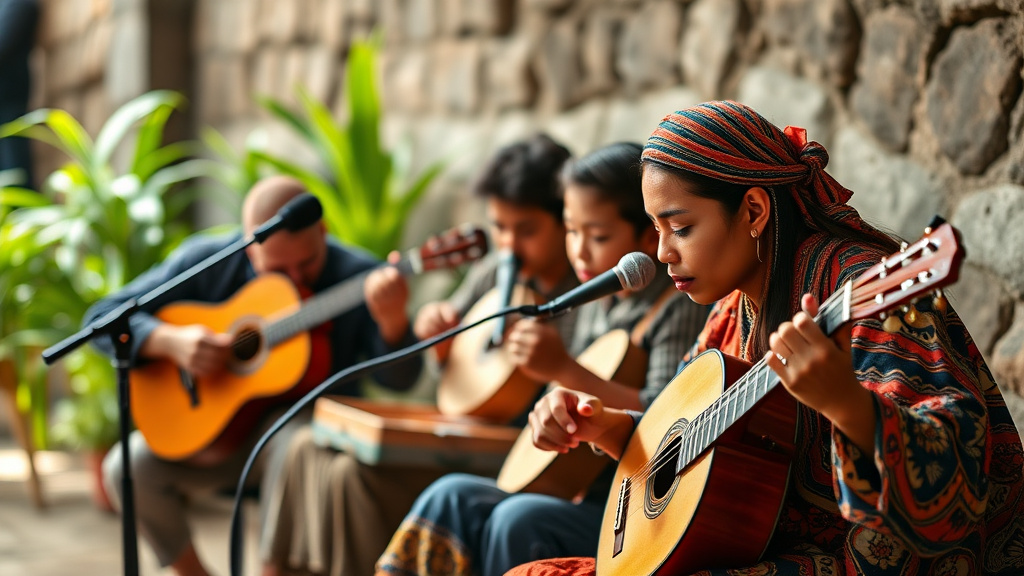
For centuries, traditional orchestral music has been viewed as an privilege of the few, available mainly to affluent groups with resources and proximity to prestigious institutions. However, a groundbreaking international movement is breaking down these barriers. Innovative music education programs are now providing ensemble training, guidance and support, and demanding preparation to marginalized areas across regions, enabling youth who previously had no pathway to classical music. This article examines how institutions internationally are democratizing musical excellence, changing lives, and transforming the trajectory of classical music itself.
Global Development of Music Education Efforts
The terrain of classical music training is experiencing a significant shift as institutions worldwide recognize the deep effect of accessible training programs. From Latin America to Southeast Asia, innovative initiatives are creating music schools, orchestras, and mentorship networks in communities traditionally shut out of classical music opportunities. These programs utilize both traditional teaching methods and modern technology, enabling talented young musicians to develop their skills regardless of geographic location or economic circumstances. The expansion demonstrates a core change in how the classical music world perceives its responsibility to nurture talent universally.
Major international organizations and community-based groups are working together to develop long-term musical learning ecosystems in underserved regions. Programs such as Venezuela’s El Sistema, now expanded throughout numerous countries worldwide, demonstrate how organized, cost-effective training can transform entire communities. These initiatives offer more than music instruction but also group performance skills, chances to perform, and pathways to professional careers. By supporting grassroots music education, these organizations are building diverse talent pipelines while also enhancing cultural life in marginalized communities, proving that musical excellence goes beyond socioeconomic boundaries.
Technology has emerged as a driver of unprecedented expansion, allowing remote instruction, virtual performances, and global collaboration among young musicians. Online platforms bring together students in remote villages with master teachers from renowned orchestras, eliminating geographic isolation. Simultaneously, local communities are establishing their own cultural institutions, founding orchestras and concert halls that act as centers for music education. This decentralized approach makes certain that classical music becomes embedded in local cultures while upholding international standards of excellence and opening genuine pathways for talented youth worldwide.
Tackling Challenges and Building Enduring Programs
Creating lasting classical music learning in underserved communities demands thoughtful planning that tackle structural barriers. Global organizations are developing holistic programs that combine funding resources, grassroots alliances, and forward-thinking pedagogical techniques. By setting up community-based systems and obtaining ongoing financial resources, these initiatives confirm that access to classical music education evolves into a enduring element rather than a temporary initiative. Achievement depends on comprehending each community’s unique challenges and customizing approaches to fit needs, creating purposeful routes for aspiring young performers independent of economic background.
Infrastructure and Resource Development
Building physical infrastructure forms the cornerstone of accessible music education programs. Many underrepresented neighborhoods lack basic facilities like performance venues, practice spaces, and equipment storage spaces. Progressive organizations are repurposing abandoned buildings into dynamic music hubs, equipped with quality instruments and contemporary educational tools. These spaces serve as cultural hubs where young people can discover classical music in inviting, relatable spaces. Support for facilities shows commitment to ongoing community advancement and conveys that classical music is for all people.
Establishing sustainable funding continues to be vital for long-term program viability and growth. Successful initiatives integrate multiple revenue streams including government grants, private donations, business partnerships, and fundraising activities. Many organizations create revenue via public performances and showcases featuring skilled performers. Partnerships with schools and universities and cultural organizations provide extra funding and specialized knowledge. Diversified funding approaches reduce dependency on single sources and allow organizations to weather economic fluctuations while preserving instructional excellence and broadening program accessibility.
- Build collaborations with community schools and arts organizations
- Launch scholarship initiatives for gifted students with limited financial resources
- Create volunteer opportunities for professional musicians and teachers
- Deploy traveling music libraries transporting musical instruments to isolated regions
- Build peer mentorship networks linking experienced and novice students
Community participation strengthens program outcomes and sustainability. When community members serve as volunteers and donors, they build a sense of ownership in the program’s achievements. Educational initiatives bring classical music to audiences unfamiliar with the genre, generating appreciation and support. Live concerts demonstrate student accomplishments, motivating younger children while proving that classical music instruction produces real impact. Strong community connections transform isolated programs into integral parts of community identity and culture.
Implications and Future Opportunities
The growth of classical music education in disadvantaged areas has produced documented changes in student achievement and community engagement. Participants exhibit better academic results, improved thinking skills, and greater cultural understanding. Beyond individual success, these programs strengthen social cohesion and offer economic benefits through performance-based funding and professional careers. Communities undergo cultural renewal as community spaces serve as active performance centers, drawing listeners previously disconnected from classical music traditions and promoting cross-generational understanding.
Looking ahead, the direction of classical music education appears increasingly promising despite continuous budget pressures. Digital tools facilitates remote instruction and virtual collaborations, expanding access beyond geographical limitations. Partnerships between governments, grant-making bodies, and cultural institutions continue expanding, developing sustainable funding models. As effective projects multiply globally, they provide models for reproduction, promoting funding in music education as vital foundation alongside standard curriculum areas, acknowledging its significant influence on youth development and social fairness.
The democratization of classical music represents a fundamental change in how cultures prioritize access to culture and artistic development. By eliminating structural obstacles, these initiatives unleash remarkable skill previously hidden within underrepresented communities, strengthening the global classical music landscape. Future generations will enjoy diverse perspectives and backgrounds enriching orchestras and concert halls globally. This shift ultimately establishes that musical mastery surpasses socioeconomic status, promising a increasingly diverse dynamic future for classical music.
