
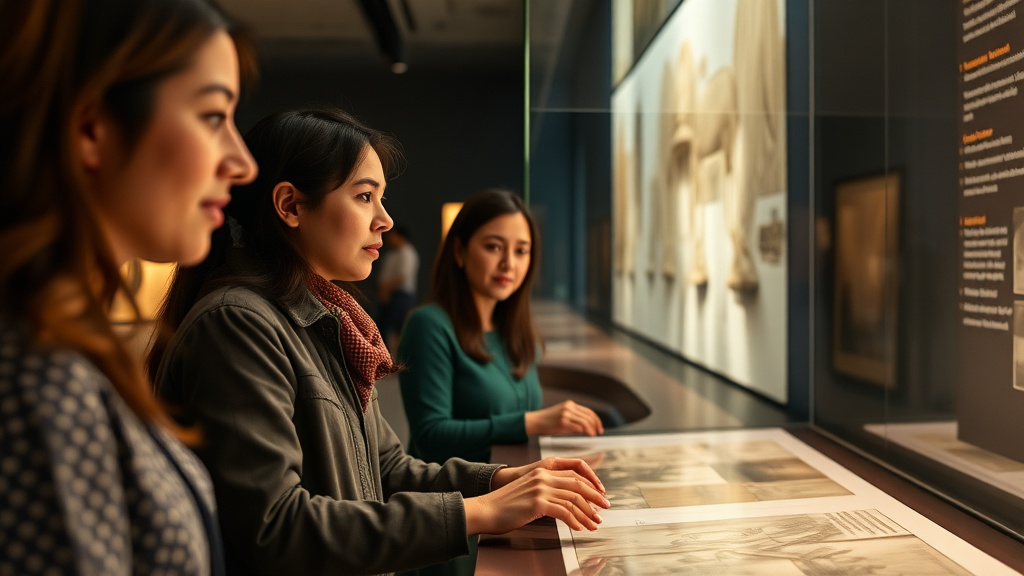
Museums are transforming into dynamic spaces where cultural narratives take shape. Modern progressive curators are rethinking exhibitions that transcend traditional displays, designing interactive journeys that showcase diverse identities and safeguard heritage for generations to come. By combining innovative techniques with meaningful narratives, these forward-thinking experts are rethinking traditional viewpoints and prompting people to interact substantively with their own cultural identity. Discover how innovative exhibition strategies are transforming the museum landscape and reconceiving what it means to honor our common cultural narrative.
Forward-thinking Exhibition Strategies for Cultural Narratives
Modern museum exhibition designers are reshaping how cultural stories are communicated to people around the world. By stepping away from static displays, they design engaging spaces that invite guests to explore their own sense of belonging and ties to ancestral histories. These specialists incorporate multi-sensory engagement, integrating visual art, sound, and physical components to enhance affective resonance. Today’s museum shows now reflect multiple voices often neglected in traditional museums, making certain excluded populations witness their stories truthfully presented and valued.
Technology functions as a essential element in transforming exhibition design and audience engagement. Interactive digital displays, mixed reality technology, and digital recreations enable audiences to experience historical moments and cultural settings with remarkable directness. Curators employ these tools to bridge spatial and time barriers, making heritage accessible to international audiences. This technology adoption doesn’t replace human narrative; rather, it strengthens curatorial vision, empowering curators to communicate sophisticated accounts with resonance and comprehensibility that traditional methods alone cannot achieve.
Collaborative curation represents another transformative approach redefining museum exhibitions in current times. Curators regularly work together with community stakeholders, cultural specialists, and descendant communities to ensure accurate depiction of their heritage. This collaborative framework acknowledges that communities themselves are the primary experts on their own histories and cultural significance. By elevating community input in exhibition development, museums evolve from traditional institutions into spaces for dialogue where diverse narratives coexist and enrich collective understanding.
Cross-disciplinary research approaches strengthen current museum curation markedly. Curators now partner with historians, anthropologists, artists, and scientific experts to examine cultural objects from diverse analytical angles. This holistic methodology exposes hidden connections between objects, historical occurrences, and cultural customs. By bringing together multiple disciplines, shows become more nuanced and intellectually rigorous, providing visitors sophisticated understandings of how cultural identity emerges through multifaceted interactions of history, geography, economic factors, and creative expression.
Thematic versatility allows curators to address contemporary issues through cultural and historical lenses. Modern exhibitions showcase how heritage influences present-day identity challenges, community activism, and community resilience. Rather than presenting culture as unchanging or historical, innovative curators highlight its living, evolving nature. This approach connects strongly with audiences seeking meaning and connection, transforming museums into spaces where history and contemporary life dialogue meaningfully.
Accessibility and inclusivity have become fundamental curatorial principles in groundbreaking exhibitions. Museums now create displays taking into account varied ways of learning, physical abilities, and cultural backgrounds. Multiple language options, accessible sensory experiences, and different levels of participation ensure wider visitor groups engage with exhibitions. This dedication to access reflects modern curatorial philosophy that cultural heritage is for all people and should be experienced without barriers or exclusion.
Interactive Exhibitions and Community Engagement
Modern museums are revolutionizing visitor encounters through participatory installations that transform passive observation into direct engagement. These dynamic installations encourage audiences to investigate cultural narratives firsthand, creating deeper bonds with cultural heritage and identity. By weaving in hands-on activities, technology platforms, and immersive environments, curators develop spaces where visitors act as co-creators of meaning. Community engagement initiatives reach past gallery walls, cementing museums as important cultural institutions that showcase and honor the diverse voices of their local populations and communities.
User-Centered Design Methods
Curators now utilize community-centered design practices that place community members at the center curatorial planning. This co-creative framework guarantees portrayals of culture authentically reflect lived experiences and perspectives of the communities being showcased. By facilitating in-depth conversations, focus groups, and co-creation workshops, museums build trust and accountability. These participatory processes transform exhibitions into spaces for conversation, where marginalized voices gain prominence and audiences experience accounts developed by people with cultural expertise and authority.
The integration of community feedback throughout the exhibition planning yields displays that resonate more effectively with varied visitors. Museums employing participatory methods report greater audience involvement, enhanced educational impact, and more robust community connections. This collaborative framework disrupts traditional hierarchies where curators maintained exclusive authority over meaning-making. Instead, displays transform into shared spaces where diverse viewpoints coexist, deepening the visitor experience and fostering more representative representative cultural narratives that recognize genuine community voices.
- Establish local advisory groups directing exhibition themes
- Conduct collaborative workshops involving heritage partners
- Weave audience input within interpretive materials
- Showcase local participants in the role of display collaborators
- Establish ongoing dialogue between the institution and community cultural institutions
Well-designed community-engaged exhibitions demonstrate significant outcomes on community development and heritage conservation. Museums adopting these approaches witness increased attendance from marginalized communities and increased support for heritage organizations. The community-centered model proves particularly effective for displays examining historically excluded groups and historical traditions, as public participation ensures accuracy and contemporary significance. These community-partnered exhibitions ultimately support broader institutional goals of fairness, open participation, and ethical commitment while generating lasting impressions that deepen visitors’ understanding of cultural expression.
Safeguarding Cultural Legacy Via Digital Innovation
Digital technology has reshaped how museums protect and display cultural heritage. Sophisticated imaging methods record intricate details of artifacts, developing comprehensive virtual collections accessible to researchers and the public worldwide. 3D virtual simulations take people into historical moments, allowing them to discover ancient civilizations and cultural sites from their homes. These digital advancements ensure that vulnerable historical objects are preserved while remaining available for educational purposes and scholarly research. Museums now employ artificial intelligence to organize archives, identify patterns in cultural artifacts, and enhance preservation efforts significantly.
Digital interactive spaces provide widespread access to cultural treasures previously accessible solely to museum visitors. Online exhibitions featuring detailed imagery, 3D models, and multimedia content engage global audiences, eliminating geographical barriers to cultural participation. Museums collaborate with communities to develop digital repositories that highlight local histories and traditions. These efforts enable cultural groups to shape their stories and share heritage on their own terms. Social media connectivity broadens museum reach, cultivating active online communities where people engage with cultural identity and heritage preservation continuously.
Augmented reality applications enhance physical museum visits, overlaying digital information onto displayed artifacts. Visitors scan objects with smartphones to retrieve detailed histories, artist perspectives, and contextual cultural information instantly. Gamification elements drive deeper exploration, transforming passive observation into active learning experiences. These hybrid approaches appeal to diverse audiences, particularly younger generations accustomed to digital interaction. Museums report increased engagement and longer visit durations when augmented reality features support traditional exhibitions effectively.
Artificial intelligence tools assist curators in analyzing vast collections, identifying underrepresented narratives, and recommending thematic connections. Machine learning algorithms detect patterns in cultural artifacts, showing relationships between different cultural traditions. Predictive analytics enable museums forecast visitor interests and tailor exhibition experiences accordingly. These technologies enable curators to develop more diverse exhibitions reflecting varied viewpoints and overlooked histories. Digital innovation enables museums to reexamine historical narratives and offer multifaceted interpretations of cultural identity completely.
Crowdsourcing programs engage communities to submit personal stories and artifacts to digital collections. Museums work alongside cultural groups to convert to digital format community-owned artifacts, creating collaborative archives that honor collective memory. Online platforms allow visitors to submit visual materials, texts, and accounts connected to exhibitions. This community-engaged model transforms museums into community spaces where historical preservation becomes a shared responsibility. Digital tools enable dialogue between age groups, bridging ancestral expertise with younger generations pursuing cultural connections and identity understanding.
Looking ahead, museums are advancing digital preservation technologies to guarantee cultural heritage endures environmental challenges and societal changes. Blockchain technology offers decentralized, secure archiving of cultural records, safeguarding intellectual property rights of indigenous communities. Virtual museum experiences will develop greater complexity, offering personalized journeys through cultural narratives. Museums will adopt emerging technologies while maintaining curatorial integrity and community collaboration. Digital innovation ultimately supports museums’ fundamental mission: protecting humanity’s diverse heritage and facilitating meaningful cultural engagement across generations and continents.
