
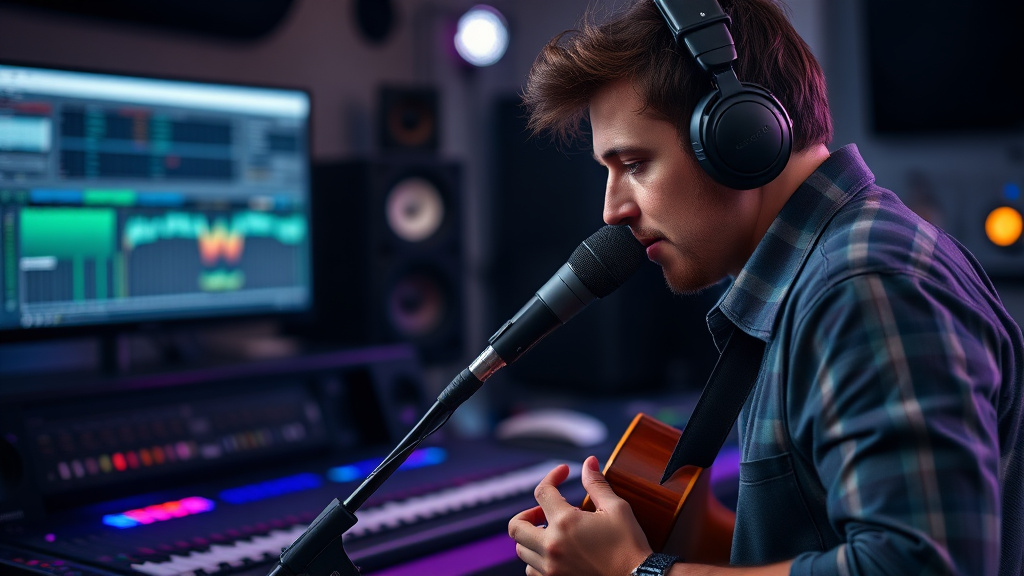
The democratization of music production has arrived. Gone are the days when producing professional-standard music required expensive studio equipment and industry connections. Today’s self-released musicians can record, blend, and finalize their music from bedroom studios using budget-friendly tools that competes with professional-grade tools. This article discusses how modern music production software has leveled the playing field, empowering skilled artists globally to circumvent established intermediaries and deliver their work straight to audiences, transforming the music industry landscape.
Overcoming Barriers to Getting Started
The price of professional music production has traditionally been prohibitive for self-released musicians. Studio rental fees, gear acquisition, and sound engineer fees could quickly surpass thousands of dollars, rendering it extremely difficult for up-and-coming artists to compete. Contemporary production tools has fundamentally changed this equation. Current DAW platforms offer robust tools for recording, editing, and mixing at a small percentage of conventional pricing, with numerous featuring free or affordable versions that deliver professional results without breaking the bank.
Beyond financial reach, software democratization eliminates geographical limitations that once restricted artists to major music hubs. Independent musicians in remote areas now access the same tools found in top-tier studios, eliminating the need for expensive relocation or travel. Web-based forums and learning materials further support this accessibility, sharing expertise that was previously gatekept by industry professionals. This convergence of affordable technology, global connectivity, and collaborative knowledge has created extraordinary chances for talented artists worldwide to launch careers entirely on their own terms.
Key Capabilities of Modern DAWs
Digital Audio Workstations have experienced significant transformation, providing solo creators powerful tools previously exclusive to professional studios. Contemporary digital audio workstations combine intuitive interfaces with sophisticated audio processing capabilities, allowing creators to achieve professional-grade output from home. These platforms provide comprehensive solutions for capturing, refining, blending, and finalizing audio, removing the need for costly equipment purchases. Whether you’re a home-based creator or emerging artist, today’s DAWs offer professional features at accessible price points, democratizing music production and enabling creative expression across all skill levels.
Audio Recording and Post-Production
High-quality audio recording forms the foundation of modern DAWs, allowing artists to capture crystal-clear vocals and instrument tracks directly into their computers. Advanced editing tools facilitate accurate adjustment of recordings, from fixing timing problems to refining performances. Features like multi-track recording, non-destructive editing, and real-time processing give independent artists professional-level tools. Flexible workflow options support different recording approaches, whether recording live sessions or layering individual tracks progressively.
Beyond basic capture, modern DAWs offer sophisticated editing capabilities that rival professional studios. Time-stretch and pitch-correction tools enable artists to refine recordings without re-recording. Waveform-level manipulation enables surgical precision, while automation tools introduce dynamic expression to tracks. Built-in effects processing provides immediate creative possibilities, allowing artists to experiment with sonic design during the recording process itself.
Digital Instruments and Sound Libraries
Virtual instruments have transformed music production, reducing the need for expensive hardware synthesizers and acoustic instruments. Modern DAWs feature extensive sound libraries offering thousands of professional-grade samples, loops, and instrument presets. These digital instruments produce polished results, from realistic piano emulations to sophisticated synthesizer patches. Independent artists can explore wide-ranging sonic palettes, facilitating creative exploration and creative exploration without purchasing costly physical equipment.
Sound libraries continue to expand, delivering specialized collections for just about every musical genre imaginable. From symphonic arrangements to electronic production, artists access pre-built resources speeding up their creative workflow. Advanced sample manipulation tools permit sound modification and layering, turning preset sounds into distinctive sounds. This availability of professional-quality sounds empowers independent artists to compete sonically with major studio productions, guaranteeing their music meets contemporary industry standards.
Budget-Friendly Choices for All Budgets
The music production software market now serves artists at every financial level. Complimentary and open-source platforms like Audacity and GarageBand provide excellent starting points for newcomers learning production basics. Mid-range options such as FL Studio and Ableton Live provide industry features at affordable costs, typically spanning $99 to $399. Premium software like Pro Tools and Logic Pro demand significant financial commitment but deliver industry-standard capabilities. This layered structure ensures individual musicians can start making music immediately, independent of initial capital availability.
Monthly subscription plans have transformed software availability for cost-conscious artists. Services like Splice and BeatMaker’s Club offer full access to creative tools, sample packs, and virtual instruments for monthly subscriptions from $9.99. Web-based tools do away with expensive hardware requirements and installation complications. Artists can change or upgrade services as their creative demands shift without locking into one-time investments. These adaptable pricing models have dramatically lowered barriers to entry, allowing musicians to try out professional-grade equipment before making significant financial commitments to their craft.
A lot of software developers deliver academic discounts and bundled offers purpose-built for independent artists. Student pricing can cut high-end software prices by half or greater. Bundled solutions combining DAWs with necessary add-ons deliver outstanding savings in contrast with purchasing separately. Free trial periods let artists to try out tools extensively before purchasing. Additionally, digital forums distribute how-to resources and resources that maximize value from any software choice. These combined strategies guarantee talented musicians can gain industry-standard equipment affordably.
